
.png)


Grief Shows Up in More Ways Than We Expect
Lately, it feels hard to focus.

I had every intention of sitting down to write about goals, about living an intentional life. Not a life built on dramatic changes or reinvention, but one shaped by small, honest decisions that actually feel good to live inside of. Decisions that serve who I want to be for myself, my family, and my community.
But instead, I’ve been sitting with something heavier.
I live in Minnesota, and when I look out my window lately, it’s hard not to feel the weight of the world pressing in. My body feels tired in a way that sleep doesn’t fix. My mind feels scattered. There’s a dull ache that doesn’t always have words.
That’s grief.
And the thing about grief is that it doesn’t always announce itself the way we expect.
Grief Isn’t Just One Thing
We tend to think of grief as something that shows up only after death. And while that kind of loss deserves space and tenderness, grief is so much wider than that.
Grief can look like:
Mourning a version of yourself you thought you’d be by now
Letting go of plans that no longer fit
Watching the world feel unsafe or unjust
Carrying generational trauma you didn’t choose
Losing relationships, routines, or a sense of certainty
Feeling disconnected from your body, your joy, or your hope
Sometimes grief is loud and obvious. Other times it’s quiet. It shows up as numbness, irritability, exhaustion, or the feeling that everything takes more effort than it should.
And here’s something I want you to hear clearly:
There is no hierarchy of grief.
You don’t have to justify it. You don’t have to compare it. You don’t have to “earn” the right to feel it.
If something hurts, it hurts.
Why Grief Feels So Lonely (Even When We’re Not Alone)
Grief has a way of convincing us that we’re the only ones feeling this way.
It isolates. It whispers that everyone else is coping better, doing more, holding it together in ways you can’t seem to manage.
But the truth is, we are meant to do this life together. We aren't meant to be alone.
We are stronger when we stay connected, when we let our differences exist side by side, and when we allow our unique stories and perspectives to deepen, not divide, our humanity.
Even when our grief appears in different forms, it still deserves care.
How Grief Shows Up in the Body
Grief doesn’t live only in our thoughts; it lives in our bodies.
You might notice:
Tight shoulders or jaw
Shallow breathing
Brain fog or forgetfulness
Trouble sleeping
A sense of restlessness or heaviness
None of this means you’re broken. It means your nervous system is trying to process something big.
Gentle Ways to Show Up for Yourself (No Fixing Required)
This isn’t a checklist. There’s no right order. Take what feels supportive and leave the rest.
1. Name what you’re feeling, without rushing it away.
Sometimes simply saying, “This is grief,” can soften its grip.
2. Lower the bar of expectation on yourself.
Grief seasons are not the time for perfection. Feeding yourself, showering, and showing up imperfectly still count as incredible wins.
3. Give your feelings somewhere to land.
Whether it’s journaling, voice notes, movement, or sitting quietly, expression matters more than explanation.
4. Limit what you consume.
It’s okay to step back from the news, social media, or conversations that overwhelm your nervous system.
5. Stay connected in small ways.
A text that says “thinking of you,” sitting next to someone, or sharing silence still counts as a connection.
6. Let rest be productive.
Rest is not avoidance. It’s how healing begins.
A Gentle Tool If You Need One
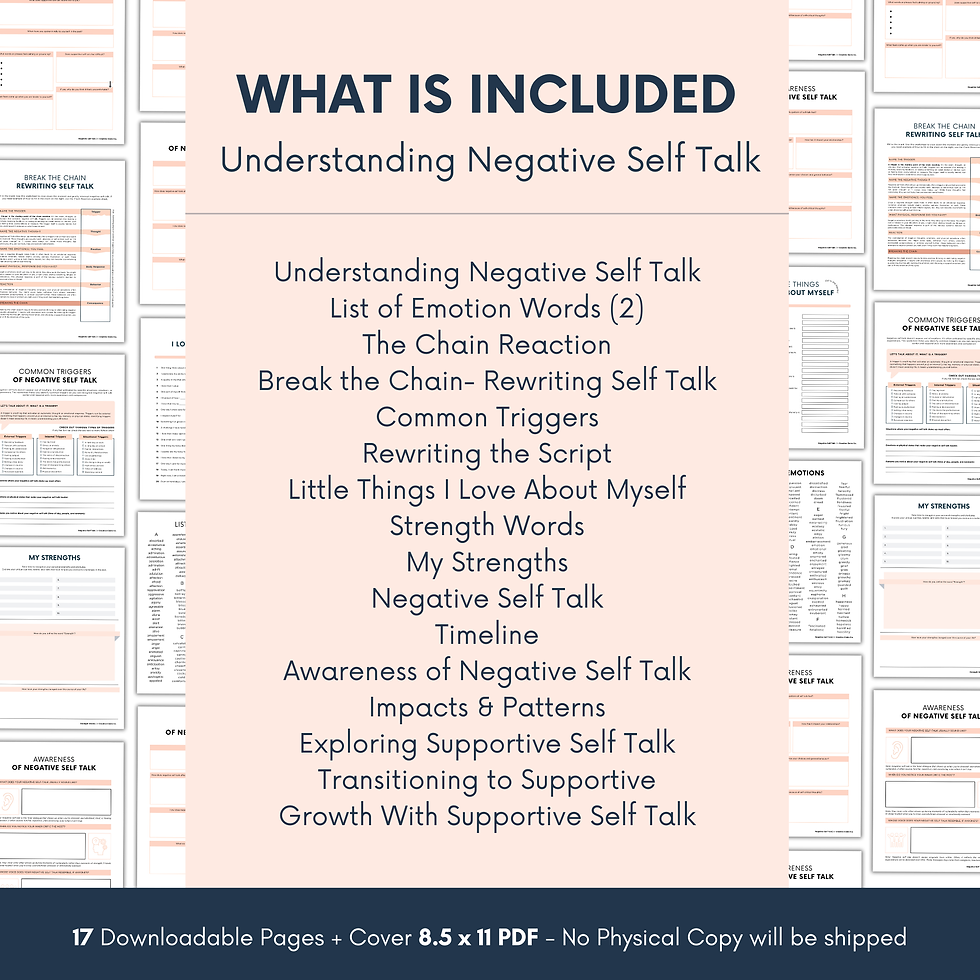
I created a Grief Toolkit because I needed something that didn’t try to fix me.
No timelines. No toxic positivity. No pressure to move on.
Just grounded prompts, space to process, and permission to feel what’s true.
If you’re ready for the full toolkit, a quiet place to pause and put words (or scribbles, or nothing at all) to what you’re holding. It’s there for you if and when it feels supportive.
You’re Not Doing This Wrong
If you’re reading this and thinking, “I should be handling this better,” please know, grief doesn’t have a correct form.
You’re allowed to feel hopeful and heartbroken at the same time. You’re allowed to care deeply and still protect your energy. You’re allowed to take this one breath, one moment, one day at a time.
We were never meant to carry this alone.
And while our grief may look different, it’s our shared humanity and our willingness to honor those differences that make us stronger together.
If today all you can do is exist, that is enough.
I’m right here with you.
Mary Claire
Creative Claire Co.
















Comments